bpc-157 what is it risks benefits, dosage, and side effects GLP3 – Reta (10mg) Dirty Genes™_COMT Fast Size:Hospira Pfizer® – Bacteriostatic Water | Case of 25 × 30 mL Vials
GLP3 – Reta (10mg) | Research Peptide — Aero Peptides
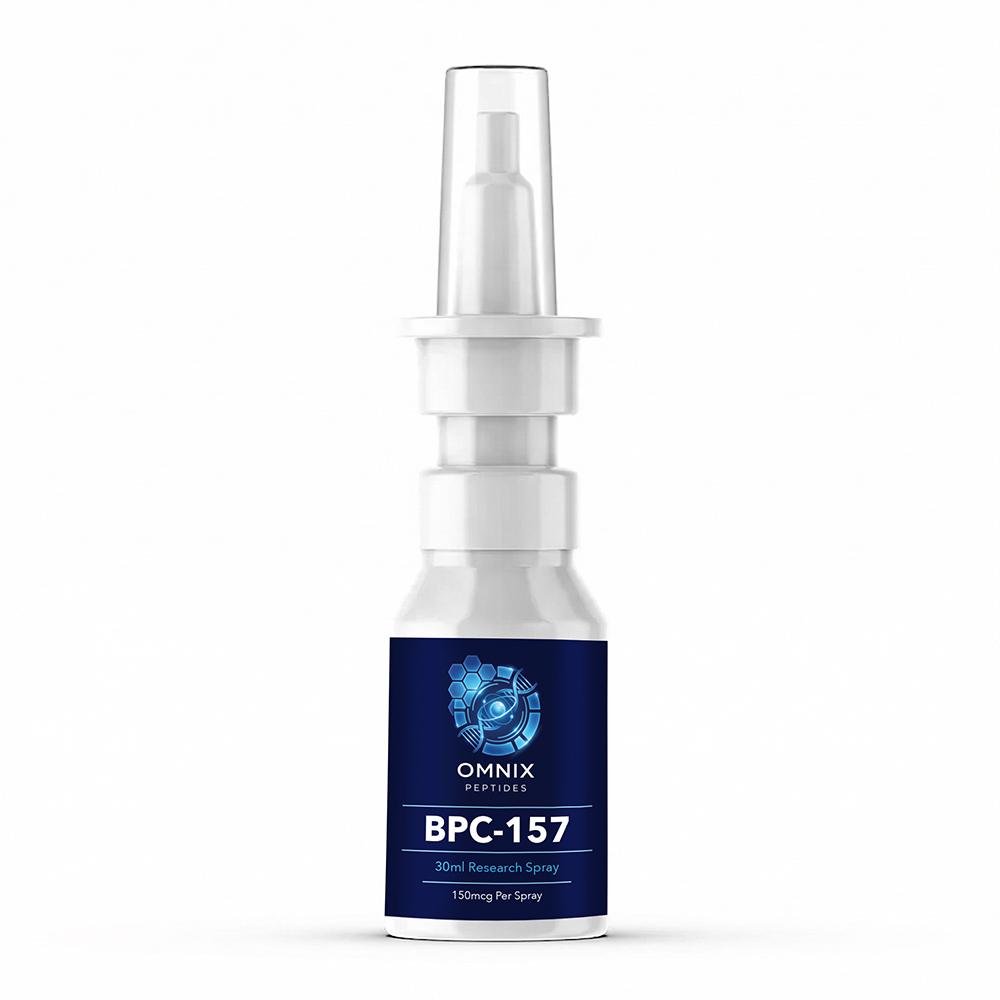
BPC-157 Dosing for Tendon Repair Common Protocols Conservative approach (8-week cycle): Dose: 250-500mcg per day Route: Subcutaneous injection Frequency: Daily Duration: 8-12 weeks Break: 4 weeks between cycles Aggressive approach (ongoing): Dose: 500mcg daily for 6 weeks Then: 250mcg 2-3x weekly maintenance Route: Subcutaneous or intranasal Duration: Continuous until injury resolved Localized injection (advanced): Direct injection into injured tendon (medical supervision required) Dose: 250-500mcg Frequency: 1-2x weekly Duration: 4-8 weeks Results: May be superior, but requires qualified practitioner Administration Routes Subcutaneous (most common): 250-500mcg in 0.5mL water, injected daily Painless, stable delivery Consistent blood levels Intranasal: 250mcg sprayed into nostrils daily Non-invasive, good absorption Less evidence but growing anecdotal support Oral: Limited effectiveness (degraded by stomach acid) Not recommended for serious injury recovery Real-World Results: Athlete Case Studies Case 1: Chronic Patellar Tendinopathy (Runner) Situation : 3 years of patellar tendon pain, limiting running to 3 miles max Protocol : BPC-157: 500mcg daily for 8 weeks Eccentric loading exercises 3x weekly Return to training protocol structured over 12 weeks Result : After 4 months, pain-free running at pre-injury distances
Dirty Genes™_COMT Fast
Size:Hospira Pfizer® – Bacteriostatic Water | Case of 25 × 30 mL Vials
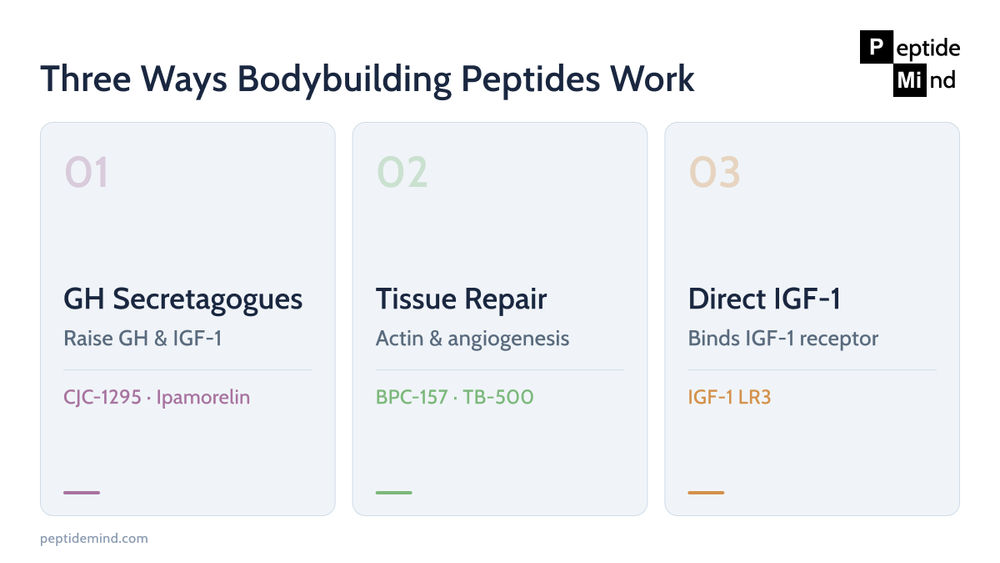
Proposed Mechanisms of Action Research suggests BPC-157 may influence tissue repair through several pathways: Angiogenesis Promotion: Upregulation of vascular endothelial growth factor (VEGF) expression in preclinical studies Enhanced blood vessel formation in wound healing models Improved blood flow to injured tissues, potentially supporting nutrient delivery Interaction with the nitric oxide (NO) pathway affecting vasodilation Growth Factor Modulation: Potential influence on fibroblast growth factor (FGF) signaling Modulation of growth hormone receptor expression in some studies Effects on collagen synthesis and extracellular matrix remodeling Anti-inflammatory Properties: Observed reduction in inflammatory markers in animal models Potential modulation of cytokine profiles Effects on neutrophil and macrophage activity in tissue injury models Mechanistically, these effects are thought to converge on the vascular and connective-tissue repair response